
On June 23 local time, the International Maritime Organization announced the launch of an evacuation plan for stranded seafarers in the Strait of Hormuz region.
IMO Secretary-General Dominguez stated, “This large-scale operation will be carried out in close cooperation with Iran, Oman, all other coastal states in the region, the United States, and the maritime industry.”
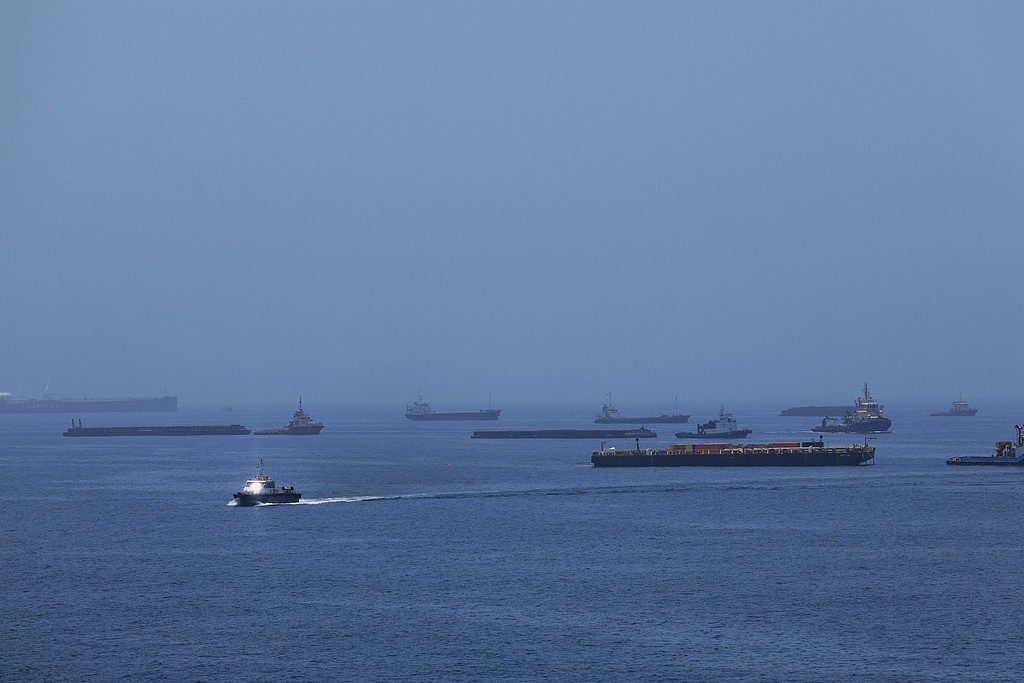
According to data shared by Kpler, at least 39 vessels crossed the strait on Monday.
June 24 News: On June 23 local time, the International Maritime Organization announced the launch of an evacuation plan for stranded seafarers in the Strait of Hormuz region.
In a statement, IMO Secretary-General Dominguez welcomed the memorandum of understanding previously reached between the United States and Iran, considering it an important step toward restoring regional maritime security and ending attacks on civilian vessels.
Dominguez stated, “We will proceed with the evacuation plan for more than 11,000 seafarers still stranded in the region. This large-scale operation will be carried out in close cooperation with Iran, Oman, all other coastal states in the region, the United States, and the maritime industry.”
“We have obtained the necessary security assurances and have fully verified the conditions required to ensure navigational safety in support of these operations. As always, we will make every effort to ensure the safety of seafarers and the continuity of global trade,” Dominguez noted.
Meanwhile, the Omani Navy also issued a notice on the same day stating that vessels will depart in phases through two temporary maritime corridors to ensure the safety of seafarers.
The notice stated that the shipping lanes stipulated under the pre-war Traffic Separation Scheme are no longer safe. According to information provided by the International Maritime Organization, vessels departing through the Strait of Hormuz may subsequently use two temporary channels: one located south of the existing TSS and one located north of it. The notice pointed out that each vessel will receive individual departure instructions and notification of its transit date.
Previously, on June 2, U.S. Secretary of State Rubio told the U.S. Congress that Iran had laid mines in large areas of the Strait of Hormuz.
The introduction of this evacuation plan comes nearly a week after Iran and the United States signed a memorandum of understanding on reopening the Strait of Hormuz. Since the signing of the memorandum of understanding, vessel traffic in the Strait of Hormuz has increased, but it remains far below pre-war levels.
According to data from MarineTraffic, a vessel tracking service under Kpler, the number of transiting vessels increased to 93 during the weekend of June 19 to 21, tripling from 32 during June 12 to 14. According to data shared by Kpler, at least 39 vessels crossed the strait on Monday.
Before the outbreak of the US-Iran war, more than 100 ships passed through the strait every day.
The Strait of Hormuz is critical to the global energy market. Before the US and Israeli strikes on Iran on February 28, approximately 20% of the world’s oil supply transited through this strait. Iran subsequently retaliated by attacking commercial vessels, causing a sharp decline in tanker traffic and triggering the largest oil supply disruption in history.
